Pocketbook Hudson in New York: A Hotel Inside a Former 1883 Bag Factory
New York is filled with historic industrial buildings that have found new purposes over time, yet only a small number have been transformed into hotels while preserving their original identity. Pocketbook Hudson stands as an example of adaptive reuse, occupying a former bag manufacturing facility dating back to 1883. Located in Manhattan’s Hudson Square district, the property combines nineteenth-century industrial architecture with modern hospitality standards. The building reflects a period when the neighbourhood was an important centre for manufacturing and trade, while its contemporary renovation demonstrates how historic structures can remain relevant in a rapidly changing city.
The History Behind the 1883 Factory Building
The building that now houses Pocketbook Hudson was originally constructed in 1883 during a period of significant industrial growth in New York City. At the time, Hudson Square and nearby districts contained warehouses, workshops and manufacturing facilities that supplied goods to businesses throughout the region. The factory specialised in the production and storage of bags and leather-related products, contributing to the area’s commercial activity.
During the late nineteenth and early twentieth centuries, manufacturing businesses relied heavily on sturdy brick buildings with large windows and open interior layouts. These architectural features allowed natural light to reach production floors and made it easier to move materials between work areas. Many such buildings survived well into the modern era because of their durable construction.
As manufacturing gradually moved away from central Manhattan, numerous industrial properties faced uncertainty. Some were demolished, while others were converted into offices, residential buildings or hospitality venues. The transformation of the former bag factory into Pocketbook Hudson ensured that an important piece of local history remained part of the urban landscape.
Preserving Industrial Character in a Modern Hotel
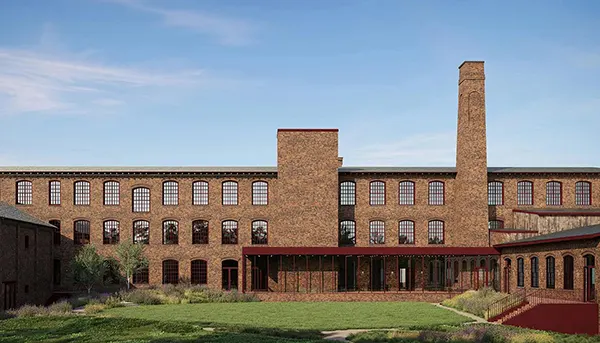
One of the most notable aspects of Pocketbook Hudson is its effort to retain visible elements of the original structure. Exposed brickwork, steel details and large factory-style windows create a connection to the building’s industrial past. Rather than concealing these features, designers incorporated them into the overall guest experience.
The renovation balanced preservation with practicality. Historic buildings often require extensive upgrades to meet modern safety standards, accessibility requirements and energy-efficiency expectations. Integrating contemporary systems while respecting original architectural details is a complex process that demands careful planning.
Guests staying at the hotel encounter a setting that differs from many newly constructed properties. The preserved materials and industrial design elements provide a sense of place, helping visitors understand the building’s historical role within New York’s development.
Location and the Transformation of Hudson Square
Hudson Square has undergone significant change over the past several decades. Once known primarily for warehouses, printing businesses and industrial operations, the district has evolved into a mixed-use area featuring offices, residential developments, restaurants and creative companies. This shift has attracted both residents and visitors seeking an alternative to more heavily visited parts of Manhattan.
Pocketbook Hudson benefits from its position near several notable destinations. The hotel provides convenient access to neighbourhoods such as SoHo, Tribeca and Greenwich Village. Visitors can reach cultural attractions, shopping streets and dining areas without travelling long distances across the city.
Public transport connections further enhance the property’s appeal. Multiple subway lines serve the surrounding area, making it relatively straightforward for travellers to explore Midtown, Lower Manhattan and other boroughs. This accessibility contributes to the hotel’s popularity among leisure and business guests alike.
Why Historic Hotels Appeal to Modern Travellers
Many travellers increasingly seek accommodation that offers more than a standard overnight stay. Historic hotels often provide a stronger sense of identity because their buildings have stories connected to local communities, industries and architectural traditions.
Properties such as Pocketbook Hudson allow guests to experience a part of New York’s past while enjoying modern comforts. The contrast between preserved industrial features and contemporary interior design creates an environment that feels distinctive without sacrificing convenience.
There is also growing appreciation for sustainable redevelopment. Reusing existing buildings can reduce the environmental impact associated with large-scale demolition and new construction. As a result, adaptive reuse projects have become an important part of urban development strategies in many major cities.

Architecture, Design and Guest Experience
The architectural character of Pocketbook Hudson is closely linked to its manufacturing origins. High ceilings, substantial masonry walls and large window openings contribute to spacious interiors that differ from many conventional hotel layouts. These structural features were originally intended for industrial efficiency but now enhance guest comfort.
Interior designers have used materials and finishes that acknowledge the building’s heritage while maintaining a contemporary appearance. Metal accents, natural textures and carefully restored historical details help create visual continuity between the old factory and the modern hotel environment.
The result is a property that appeals to visitors interested in architecture as well as those simply looking for accommodation in a convenient Manhattan location. The building itself becomes part of the travel experience rather than merely serving as a place to sleep.
The Role of Adaptive Reuse in New York’s Hospitality Sector
New York contains a significant number of historic commercial and industrial structures that are no longer required for their original purposes. Adaptive reuse projects provide opportunities to preserve these buildings while introducing functions that meet contemporary economic and social needs.
Hotels are particularly well suited to this approach because many former industrial properties offer large floorplates and distinctive architectural features. When redevelopment is handled thoughtfully, historic buildings can attract visitors while maintaining their connection to local history.
Pocketbook Hudson demonstrates how a nineteenth-century factory can successfully transition into a twenty-first-century hospitality destination. By preserving key architectural elements and adapting them for modern use, the hotel contributes both to the protection of New York’s built heritage and to the continued evolution of Hudson Square.