Oceania Les Augustins: Lille’s Unusual Hotel with a Swimming Pool Inside a Former Bank Vault
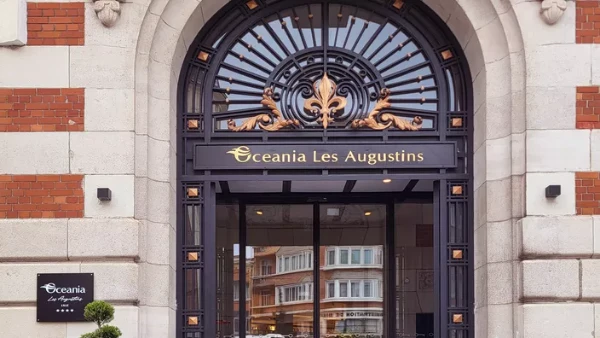
In the centre of Lille, France, a former bank headquarters has found an unexpected second life as a four-star hotel. Opened in 2025, Oceania Les Augustins occupies the historic Scalbert-Dupont building, an Art Deco landmark dating from 1929. Its 87 rooms, elegant interiors and restored architectural features are impressive, but the real talking point lies underground. Where customers once kept their valuables behind locked doors, hotel guests can now swim in a heated indoor pool surrounded by original safety deposit boxes. This unusual conversion brings together nearly a century of banking history, contemporary hospitality and a particularly memorable approach to hotel design.
From a Historic Bank to One of Lille’s Most Unusual Hotels
Oceania Les Augustins stands at 37 Rue du Molinel, within easy walking distance of Lille’s principal railway stations and central shopping streets. The building originally served as the headquarters of Scalbert-Dupont, a banking institution closely associated with northern France. Completed in 1929, it reflects the confidence and architectural ambition of the period, when financial institutions used imposing entrances, generous interiors and carefully selected materials to communicate security and permanence. Its conversion into a hotel retained much of that character rather than treating the old structure merely as a shell for modern accommodation.
The transformation required a careful balance between historic preservation and contemporary use. Among the surviving features are the impressive glass roof, decorative wrought ironwork and a grand marble staircase. The former banking hall has become a welcoming public space, while the original architectural proportions remain central to its appearance. Rather than covering every trace of the building’s previous purpose, the designers incorporated references to banking throughout the interiors. These details help explain why Oceania Les Augustins feels different from a conventional city-centre hotel, even before visitors reach its remarkable swimming pool.
The hotel opened in 2025 as part of the Oceania Hotels collection, offering 87 rooms and suites alongside a restaurant, bar and extensive wellness facilities. The operator also describes the property as the first low-carbon hotel in the Lille metropolitan area. Reusing an existing building forms an important part of its environmental approach, although that designation should not be interpreted as evidence of zero emissions. What visitors can see immediately is the substantial amount of historic architecture that has survived. The hotel has retained the identity of the former bank while adapting its spaces for a completely different purpose.
Art Deco Architecture and the Details That Survived
Art Deco architecture is characterised by geometric shapes, confident proportions, decorative metalwork and a preference for materials that suggest quality and craftsmanship. At Oceania Les Augustins, these features are especially noticeable in the relationship between the restored historic interiors and the hotel’s newer furnishings. The marble staircase recalls an era when banking premises were designed to impress visitors upon arrival. Meanwhile, the glazed roof brings natural light into the central spaces, providing a welcome contrast to the more intimate areas elsewhere in the building.
The bar provides another clear connection to the site’s original function. Positioned beneath the historic oval glass roof, its design recalls the counters once used by bank employees. Comfortable velvet seating and contemporary lighting now replace the atmosphere of financial transactions, yet the room’s architectural character remains recognisable. This approach avoids turning the hotel into a historical exhibition. Guests encounter authentic elements of the former institution while using the building naturally, whether enjoying breakfast, meeting friends or returning after an afternoon exploring Lille.
One of the most interesting aspects of the restoration is how the banking theme continues beyond the public rooms. References to safe deposit boxes appear in the bedroom fittings, lighting and decorative details. The effect is subtle rather than theatrical, with modern furnishings designed around the surviving architectural features. For travellers interested in adaptive reuse, the building offers a particularly accessible example of how historic commercial premises can accommodate an entirely new function. The hotel preserves enough original material to communicate its past without sacrificing the comfort expected from a modern four-star property.
Swimming Inside the Former Bank Vault
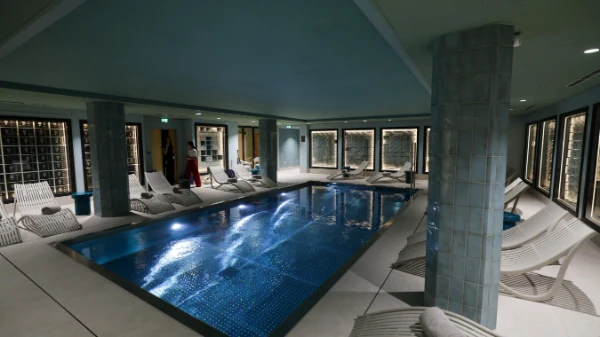
The most distinctive feature of Oceania Les Augustins is its indoor swimming pool, situated in the former vault room of the Scalbert-Dupont bank. Instead of removing every reminder of the building’s previous use, the renovation preserved the original safety deposit boxes, which remain visible behind protective glass. Their orderly rows form an extraordinary backdrop to the water. A room originally associated with restricted access and financial security has become a place for relaxation, making the conversion particularly unusual among European city hotels.
The swimming pool itself has a stainless-steel structure and a deep-blue appearance, complemented by carefully arranged lighting and loungers around the water. Reflections from the illuminated deposit boxes add another dimension to the interior, especially when the surrounding area is quiet. Unlike large leisure complexes, this is a relatively intimate wellness setting where the history of the building contributes directly to the atmosphere. The surrounding vault fittings are not decorative replicas: they are retained elements of the former banking premises, protected as part of the redesigned space.
According to the hotel’s published information, the heated pool and sauna are available daily between 7am and 11pm. These generous hours make the facilities useful for guests arriving after a day of sightseeing or returning from evening activities. The pool is best understood as a place for relaxation rather than as a conventional sports swimming facility. Visitors planning to use it should confirm the current access conditions when booking, particularly if travelling with children or requiring specific accessibility arrangements. For many guests, however, simply spending time in this extraordinary setting is likely to be one of the main reasons for choosing the hotel.
Spa Treatments, Sauna and Wellness Facilities
The former vault is part of a wider wellness area known as Spa Les Augustins. Alongside the pool and sauna, the hotel offers professional treatments and massages developed in partnership with Sothys, the French skincare brand. The treatment menu includes facial and body care, with options for individuals and couples. This makes the property suitable for visitors planning a relaxing weekend as well as travellers who want to include a shorter spa appointment during a city break. Treatments are separate services, so availability and prices should be checked in advance rather than assumed to be included in the room rate.
An interesting feature is that Spa Les Augustins also welcomes people who are not staying overnight. Local residents and day visitors can book treatments and may be able to combine them with time in the wellness facilities under the relevant access conditions. The hotel additionally advertises a Lunch & Spa package, linking its restaurant and relaxation services. Treatment appointments are generally available Monday to Saturday from 10am to 8pm and Sunday from 10am to 5pm, according to the published schedule. These hours differ from the pool’s opening times, so checking the specific service is important when arranging a visit.
Guests who prefer exercise to spa treatments have access to a fitness room equipped with a treadmill, rowing machine and elliptical trainer. The gym is open daily from 7am to 11pm, and use of its equipment is included for hotel residents. Although the facilities are not intended to compete with a dedicated health club, they provide useful options for maintaining a routine while travelling. Together, the gym, sauna, treatment rooms and distinctive swimming pool make the wellness area a substantial part of the hotel’s offering rather than an afterthought added to an otherwise conventional city property.
Rooms, Dining and Practical Information for a Stay in Lille
Oceania Les Augustins has 87 rooms and suites, including the Scalbert-Dupont Suite, named in recognition of the building’s banking history. Interior colours include deep green, beige, brown and muted gold, creating a connection with traditional Art Deco design. Upholstered headboards, geometric lighting and brass fittings provide visual continuity between the accommodation and the historic public spaces. The overall approach is comfortable and understated, with enough distinctive details to remind guests that they are sleeping inside a former financial institution rather than a newly constructed hotel.
Modern room facilities include air conditioning, Wi-Fi, a television, a safe and a Nespresso coffee machine, together with tea-making provisions. Bathrooms feature walk-in showers and Rituals toiletries, while bathrobes and slippers support visits to the wellness area. Bedding and pillows are sourced from French manufacturers. Specific layouts, bed configurations and additional features vary according to the accommodation selected, so the room descriptions are worth checking carefully. The property also identifies three adapted Superior rooms for guests with reduced mobility, and advance contact with reception is advisable when particular accessibility requirements need to be met.
The hotel’s central location is a practical advantage for short visits. Lille Flandres railway station is approximately 450 metres away, while Lille Europe is around 900 metres from the property. Both connect the city with important French and international rail routes. Travellers arriving by car can request a space in the hotel’s private secure car park, advertised at €25 per night, although spaces are limited and advance reservation is recommended. The convenient location also means that much of central Lille can be explored on foot, reducing the need for a car during a typical weekend stay.
Les Augustins Restaurant, Breakfast and Exploring the City
Les Augustins restaurant and bar occupy part of the restored former banking hall and are open to visitors as well as overnight guests. The restaurant serves French brasserie-style dishes with influences from regional cooking. Its approach emphasises seasonal produce and familiar recipes rather than an elaborate fine-dining format. The hotel publishes lunch and dinner services, with its main restaurant page listing daily opening periods from noon to 2pm and 7pm to 10pm. As operational hours can change, especially around holidays, visitors arranging a meal without a room reservation should confirm the schedule before travelling.
Breakfast is served as a buffet, with hot and cold dishes, breads, pastries, fruit and regional products. The published standard price is €22 per adult, with complimentary breakfast for children under 12 when an adult breakfast is purchased. Weekday service begins at 6.30am, while the weekend schedule runs later into the morning. Room-service breakfast is available for an additional charge. The bar beneath the historic glass roof provides another option for a drink or informal meeting, with coffee, local beer and cocktails among the advertised choices. It is particularly useful for guests who want to enjoy the architecture without committing to a full restaurant meal.
Beyond the hotel, visitors are well placed to experience Lille’s historic centre, including Grand Place, the Vieille Bourse and the streets of Vieux-Lille. The Palais des Beaux-Arts offers an important cultural stop, while the city’s cafés, restaurants and independent shops provide plenty of reasons to explore at a slower pace. Oceania Les Augustins is particularly suitable for couples, architecture enthusiasts and travellers seeking accommodation with a distinctive story. Its appeal is not simply the novelty of sleeping in a former bank, but the opportunity to see how a building from 1929 has been carefully adapted to serve modern guests. The pool inside the former vault gives the experience an identity that few conventional hotels can match.