Stockholm’s Underground Hotel: 135 Windowless Rooms Beneath Drottninggatan
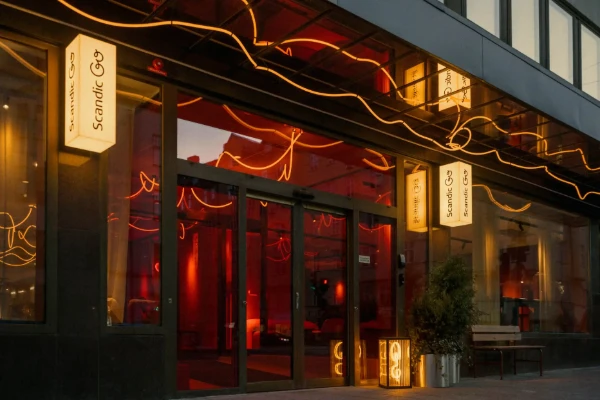
Stockholm is preparing for an unusual addition to its hotel scene. Scandic and property owner Axfast announced in June 2026 that a new Scandic Go hotel will be created beneath Drottninggatan, one of the capital’s busiest shopping streets. The project will contain 135 windowless rooms and is due to open in 2027.
Why Scandic Go Is Going Underground in Central Stockholm
The hotel is being developed inside an existing property where former retail and storage areas are being converted. Instead of adding another large building above street level, the project makes use of space that has been difficult to activate in central Stockholm.
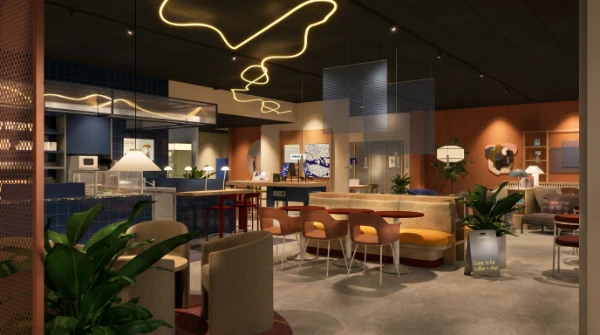
All 135 guest rooms will be without windows. Scandic says the interiors will use carefully chosen lighting, materials and acoustics to create a calm sleeping environment. Shared areas and staff rooms will have access to windows, while check-in will be available one level below ground or digitally.
That layout also changes how guests may spend time in the room. Without a city view, downtime is more likely to centre on reading, streaming, gaming and other indoor entertainment. Some travellers may also use regulated online services, including noway limit casino, where this is lawful in their location. Compact urban rooms increasingly depend on reliable connectivity.
A Location Designed Around Access Rather Than a View
The advantage is the location. Drottninggatan runs through central Stockholm and sits close to shopping, restaurants and cultural venues. The property is also close to Stockholm Central Station and the bus terminal, which suits short leisure trips and business stays.
For travellers who spend most of the day outside, a windowless room offers a different trade-off from a conventional city stay. The concept puts more emphasis on sleep, quiet and location than on a view. Scandic says interest in rooms without windows has increased, especially among guests who prefer darker sleeping conditions.
The hotel will form part of a mixed-use redevelopment rather than an isolated underground complex. Retail premises, offices and hotel accommodation are planned within the same building. This is mainly a conversion of existing urban space, not a purpose-built underground bunker.
What Guests Can Expect From the 135-Room Hotel
Scandic describes the property as part of its Scandic Go brand, aimed at travellers seeking a simpler and more price-conscious stay in central locations. The company has not yet published a full room specification or final price list, so exact sizes, rates and equipment remain unconfirmed.
What is confirmed is that the rooms will be underground and designed without daylight. Lighting will therefore matter more than in a conventional room, while sound control will be important for a hotel built around quiet rest. The lack of windows may suit some guests and feel restrictive to others.
People who value complete darkness for sleep may see the design as an advantage. Travellers who rely on daylight in the morning may prefer a standard room elsewhere. Guests should understand that difference before booking.
Reuse, Certification and the 2027 Opening Plan
The project also reflects a wider urban idea: finding new uses for spaces that already exist. Axfast says parts of the property were previously used for retail and storage, and converting them into accommodation brings new activity into an established building.
Scandic states that the building is intended to meet BREEAM In-Use Excellent standards and that hotel operations are planned to carry the Nordic Swan Ecolabel. These frameworks cover building performance and operational practices, but they do not mean the property will have no environmental impact.
As of 2026, the hotel is still a development project rather than an operating property. Work is expected to continue ahead of the planned 2027 opening, and some details may change before bookings begin. The core idea is clear: 135 windowless rooms beneath one of Stockholm’s busiest streets, focused on central access, quiet sleep and reuse of overlooked city space.